
The MIA glass color sorter is a cutting-edge technology designed to streamline the process of sorting glass based on color. This innovative system utilizes advanced optical sorting principles, leveraging high-resolution cameras and sensors to identify color variations in glass pieces accurately. By employing sophisticated algorithms, the sorter can segregate glass according to predefined color parameters, ensuring efficient and precise sorting. This introduction provides a glimpse into the functionality and significance of the MIA glass color sorter in the realm of glass recycling.

Production Videos
Understanding Glass Color Sorting
Understanding Glass Color Sorting is crucial for optimizing the recycling process and enhancing sustainability efforts in the glass industry. This technology involves the use of advanced optical sorting systems to separate glass materials based on their color properties. By accurately identifying and segregating glass pieces according to color variations, this process ensures higher purity levels in recycled glass products. With a deeper understanding of Glass Color Sorting, industries can improve efficiency, reduce waste, and contribute to environmental conservation initiatives.
Principles of Operation
The Principles of Operation behind glass color sorting systems are grounded in sophisticated optical technology and precise material handling mechanisms. These systems utilize a combination of cameras, sensors, and software algorithms to analyze the color, shape, and size of glass particles as they pass through the sorting machine.
Upon detection, the system quickly identifies and classifies the glass based on predetermined criteria, such as color intensity or spectral characteristics. Subsequently, pneumatic ejectors or mechanical devices remove the identified contaminants or unwanted materials from the stream, ensuring that only high-quality glass of desired specifications remains.
This process operates at high speeds and with remarkable accuracy, enabling efficient separation of glass materials and facilitating the recycling process with minimal human intervention. The Principles of Operation are pivotal in achieving precise sorting results, enhancing productivity, and promoting sustainability in the glass recycling industry.

Sorting Process
The sorting process in glass color sorting systems is a meticulously orchestrated sequence of events aimed at efficiently separating different types of glass based on their color, shape, and size. Here’s a detailed description of how the sorting process typically unfolds:
- Material Feeding: The process begins with the introduction of bulk glass materials into the sorting system. This can be accomplished through conveyor belts or other material handling equipment, ensuring a steady and consistent flow of glass particles.
- Optical Sensing: As the glass particles move through the sorting machine, they pass beneath high-resolution cameras and sensors strategically positioned along the processing line. These optical sensors capture detailed images of each glass particle, including its color, shape, and size.
- Image Analysis: The images captured by the optical sensors are analyzed in real-time by advanced software algorithms. These algorithms meticulously analyze the visual characteristics of each glass particle, comparing them against predetermined criteria set by the operator.
- Classification: Based on the analysis of the images, the sorting system classifies each glass particle into different categories or classes. This classification is typically based on factors such as color intensity, spectral properties, and geometric attributes.
- Ejection of Contaminants: Once classified, glass particles that do not meet the specified criteria are identified as contaminants or undesired materials. Pneumatic ejectors or mechanical devices are then activated to precisely remove these contaminants from the material stream.
- Sorting Accuracy: The sorting system operates with exceptional accuracy, ensuring that even the smallest discrepancies in color or composition are detected and addressed. This high level of precision is essential for maintaining the quality and purity of the sorted glass materials.
- Collection of Sorted Glass: The sorted glass materials, now free from contaminants, continue along the processing line to be collected in separate bins or containers. These sorted materials are ready for further processing or recycling, contributing to the sustainable reuse of glass resources.
Key Components
Key components of MIA glass color sorting system include:
- Conveyor Belt: Transports glass materials through the sorting process.
- High-resolution Cameras: Capture detailed images of glass particles.
- Optical Sensors: Analyze visual characteristics like color and shape.
- Software Algorithms: Process images and classify glass particles.
- Ejectors: Remove contaminants from the material stream.
- Sorting Chutes: Direct sorted glass into separate bins or containers.
Sensor Technology
The sorter is equipped with high-resolution cameras and sensors capable of detecting subtle color differences in glass. These sensors analyze the wavelength of light reflected by each glass piece to determine its color accurately.
Sorting Mechanism
An automated conveyor system transports glass through the sorter at a consistent speed, ensuring efficient sorting. Once the color of each piece is determined, pneumatic valves or mechanical arms divert the glass into designated containers based on its color.

Advantages of the MIA Glass Color Sorter
- High Sorting Accuracy: Utilizes advanced optical technology to achieve precise color sorting, ensuring high-quality output.
- Increased Efficiency: Enhances productivity by automating the sorting process, reducing manual labor and operational costs.
- Versatility: Capable of sorting various types of glass materials, including bottles, shards, and cullet, across a wide range of colors and sizes.
- Customizable Settings: Allows users to adjust sorting parameters such as sensitivity and ejector timing to meet specific sorting requirements.
- Improved Product Quality: Removes contaminants and defective pieces, resulting in cleaner and higher-quality glass materials suitable for recycling or reuse.
- User-Friendly Interface: Features an intuitive control panel or software interface for easy operation and monitoring of sorting processes.
- Reliability and Durability: Built with robust components and materials, ensuring long-term performance and minimal downtime.
- Environmental Benefits: Facilitates efficient recycling and resource conservation by separating glass materials based on color and quality.

FAQs (Frequently Asked Questions)
Q: How does the MIA glass color sorter differentiate between different colors? A: The sorter’s sensors analyze the wavelength of light reflected by each glass piece to determine its color accurately. By comparing this data to predefined color thresholds, the sorter can identify and sort glass by color effectively.
Q: Can the MIA glass color sorter be customized for specific sorting requirements? A: Yes, the sorter’s parameters can be adjusted to meet specific color sorting criteria. Operators can configure the sorter to sort glass by color, shape, size, or other characteristics to suit their recycling facility’s needs.
Q: What types of glass can the MIA glass color sorter handle? A: The sorter is capable of sorting a wide range of glass materials, including clear, green, and brown glass commonly used in bottles and jars. It can also sort frosted or tinted glass, provided that the color is distinguishable by the sorter’s sensors.
Q: Is the sorting process fully automated? A: Yes, the MIA glass color sorter operates autonomously once the parameters are set. However, operators may need to monitor the sorting process and make adjustments as needed to ensure optimal performance.
Q: How does the MIA glass color sorter contribute to sustainability? A: By efficiently sorting glass for recycling, the sorter promotes resource conservation and reduces landfill waste. Recycled glass can be used to manufacture new glass products, reducing the need for raw materials and energy-intensive production processes.
Q: What maintenance is required for the MIA glass color sorter? A: Regular cleaning and calibration are recommended to ensure optimal performance. Operators should also inspect the sorter for any signs of wear or damage and address any issues promptly to prevent downtime.
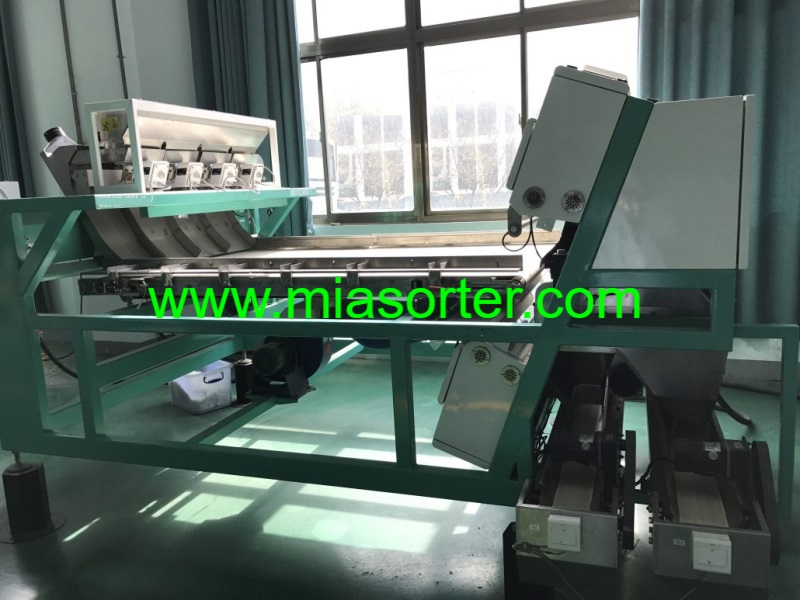
The MIA glass color sorter represents a significant advancement in glass recycling technology. Its innovative design, coupled with advanced sensor technology, allows for efficient and accurate sorting of glass based on color. By improving the quality and quantity of recycled glass products, the sorter contributes to environmental sustainability and resource conservation. As recycling rates continue to rise globally, the MIA glass color sorter plays a crucial role in facilitating the transition to a circular economy.

