Introduction
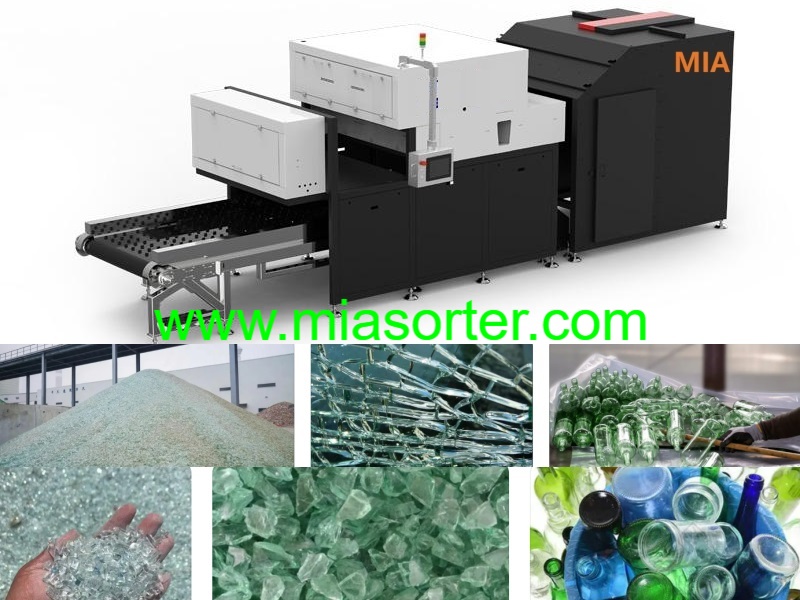
In today’s industrial landscape, the efficient sorting of glass and metal materials is essential for a variety of sectors, including recycling, manufacturing, and construction. Hefei Glass Metal Color Sorter Manufacturer Exporter has been at the forefront of advancing sorting technology, introducing their innovative product line, MIA. This comprehensive review explores the evolution of glass and metal sorting technology, introduces MIA, delves into its key features, applications, advantages, and concludes with insights into its impact on the industry.
The Evolution of Glass and Metal Sorting Technology
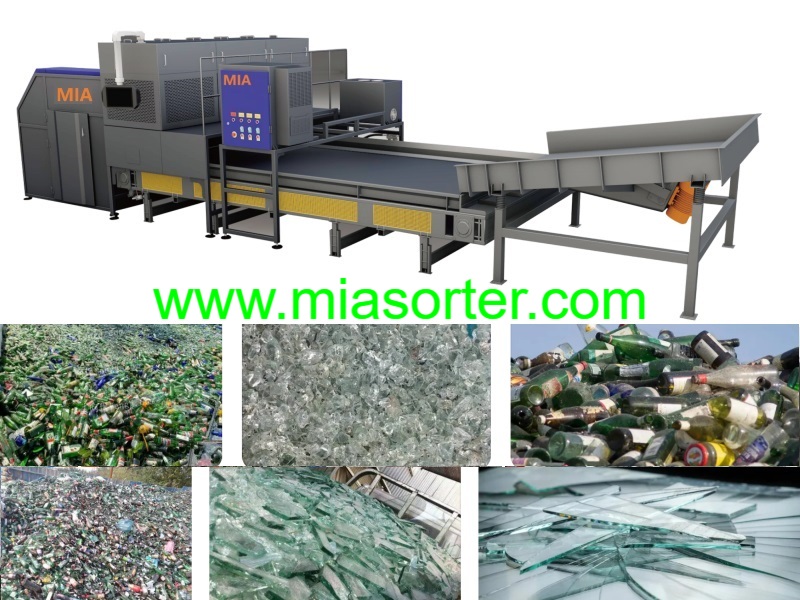
The sorting of glass and metal materials has undergone significant evolution over the years, driven by the growing demands for sustainability and resource efficiency. Traditional sorting methods relied heavily on manual labor and were often inefficient and inaccurate. However, with technological advancements, automated sorting systems have emerged, offering higher precision and throughput. Hefei Glass Metal Color Sorter Manufacturer Exporter has played a pivotal role in this evolution, continually innovating to address the challenges of glass and metal sorting.
Introducing MIA: Redefining Glass and Metal Sorting Standards
At the core of Hefei Glass Metal Color Sorter Manufacturer Exporter’s product lineup lies MIA, which stands for Maximum Intelligence Algorithm. MIA represents a paradigm shift in glass and metal sorting technology, incorporating advanced algorithms, optical sensors, and intelligent sorting mechanisms. Unlike traditional sorting methods, which often struggle to differentiate between various types of glass and metal materials, MIA offers unparalleled accuracy, efficiency, and versatility in sorting applications.
Key Features of MIA Glass and Metal Sorters
MIA glass and metal sorters boast a range of advanced features that set them apart from conventional sorting systems:
- Advanced Optical Sorting Technology: Equipped with high-resolution cameras and sensors, MIA sorters can accurately identify and classify different types of glass and metal materials based on color, shape, size, and composition.
- Intelligent Sorting Algorithms: The proprietary algorithms embedded within MIA sorters enable real-time decision-making, allowing for adaptive sorting criteria to be applied based on specific requirements and material characteristics.
- High-Speed Processing: MIA sorters offer impressive processing speeds, ensuring rapid throughput without compromising sorting accuracy. This capability is particularly valuable for high-volume sorting operations, where efficiency is paramount.
- User-Friendly Interface: Hefei Glass Metal Color Sorter Manufacturer Exporter prioritizes user experience, designing MIA sorters with intuitive interfaces that facilitate easy operation, customization, and maintenance.
- Robust Build Quality: Built to withstand the demands of industrial environments, MIA sorters feature durable construction and reliable components, ensuring long-term performance and minimal downtime.
Applications of MIA Glass and Metal Sorters
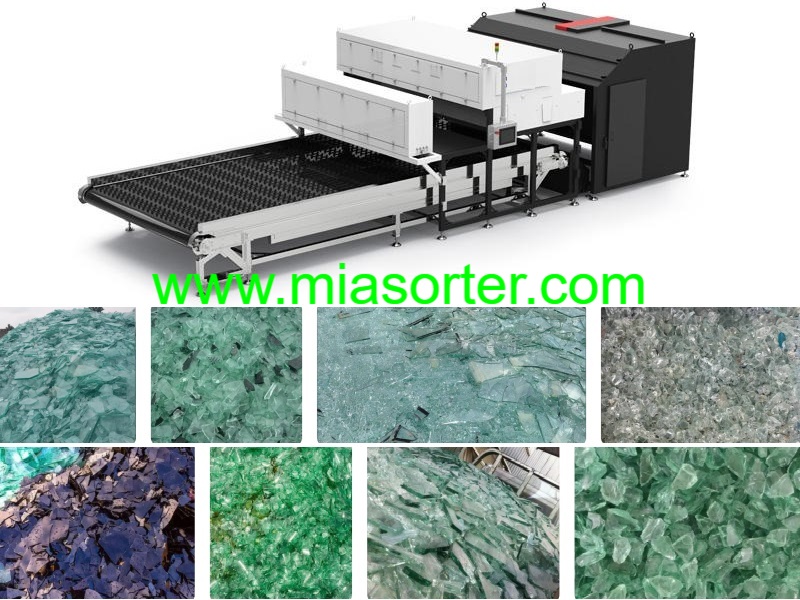
The versatility of MIA glass and metal sorters makes them suitable for a wide range of applications across various industries:
- Recycling Facilities: MIA sorters play a crucial role in recycling facilities, where they separate different types of glass and metal materials for processing and reuse. By accurately sorting materials, MIA helps maximize recycling efficiency and minimize waste.
- Manufacturing Plants: In manufacturing plants, MIA sorters ensure the quality and purity of raw materials used in the production of glass and metal products. By removing contaminants and impurities, MIA contributes to product quality and consistency.
- Construction Sites: On construction sites, MIA sorters help manage waste materials effectively by sorting glass and metal components for recycling or proper disposal. This ensures compliance with environmental regulations and promotes sustainability in construction practices.
- Scrap Yards: In scrap yards and metal recycling facilities, MIA sorters aid in segregating various types of metal alloys and glass compositions, optimizing the recycling process and maximizing the value of recovered materials.
Advantages of Choosing MIA Glass and Metal Sorters
Investing in MIA glass and metal sorters offers several advantages for businesses and organizations:
- Enhanced Sorting Accuracy: MIA sorters deliver unmatched accuracy in glass and metal sorting, minimizing errors and ensuring the purity of sorted materials. This results in higher-quality end products and increased customer satisfaction.
- Increased Efficiency: With their high-speed processing capabilities and intelligent algorithms, MIA sorters enhance operational efficiency, enabling faster throughput and reduced sorting time. This translates to improved productivity and cost savings for businesses.
- Cost Savings: By optimizing sorting processes and minimizing waste, MIA sorters help businesses save on labor, material, and disposal costs. This improves overall profitability and competitiveness in the market.
- Environmental Benefits: MIA sorters contribute to environmental sustainability by facilitating the recycling and reuse of glass and metal materials, reducing the need for virgin resources and minimizing environmental impact. This aligns with corporate sustainability goals and enhances brand reputation.
- Compliance with Regulations: MIA sorters help businesses comply with regulatory requirements and industry standards for waste management and recycling. By ensuring proper sorting and disposal of materials, MIA helps mitigate environmental risks and legal liabilities.
Conclusion
In conclusion, Hefei Glass Metal Color Sorter Manufacturer Exporter’s MIA glass and metal sorters represent a significant advancement in sorting technology, offering unprecedented levels of accuracy, efficiency, and versatility. With their advanced features, intelligent algorithms, and robust build quality, MIA sorters are transforming the way glass and metal materials are sorted and processed across various industries. As the demand for sustainable waste management solutions continues to grow, MIA emerges as a key enabler of environmental stewardship and resource conservation. By investing in MIA glass and metal sorters, businesses can unlock new opportunities for growth, innovation, and sustainability in the evolving landscape of waste management and recycling.
FAQs about MIA Glass and Metal Sorters
1. What makes MIA Glass and Metal Sorters stand out in the industry?
- MIA sorters utilize advanced algorithms and optical sensors to achieve unparalleled accuracy and efficiency in sorting glass and metal materials, setting new standards in the industry.
2. Can MIA Glass and Metal Sorters handle different types of materials?
- Yes, MIA sorters are versatile and can accurately sort various types of glass and metal materials based on color, shape, size, and composition, making them suitable for a wide range of applications.
3. How fast are MIA Glass and Metal Sorters in processing materials?
- MIA sorters offer impressive processing speeds, ensuring rapid throughput without compromising sorting accuracy. The exact speed may vary depending on factors such as material type and sorting criteria.
4. What are the key advantages of choosing MIA Glass and Metal Sorters?
- The key advantages include enhanced sorting accuracy, increased efficiency, cost savings, environmental benefits, and compliance with regulations, making them a valuable investment for businesses.
5. Are MIA Glass and Metal Sorters suitable for recycling facilities?
- Yes, MIA sorters play a crucial role in recycling facilities, where they separate glass and metal materials for processing and reuse, maximizing recycling efficiency and minimizing waste.
6. How do MIA Glass and Metal Color Sorters contribute to environmental sustainability?
- MIA sorters facilitate the recycling and reuse of glass and metal materials, reducing reliance on virgin resources, minimizing waste, and mitigating environmental impact, aligning with corporate sustainability goals.