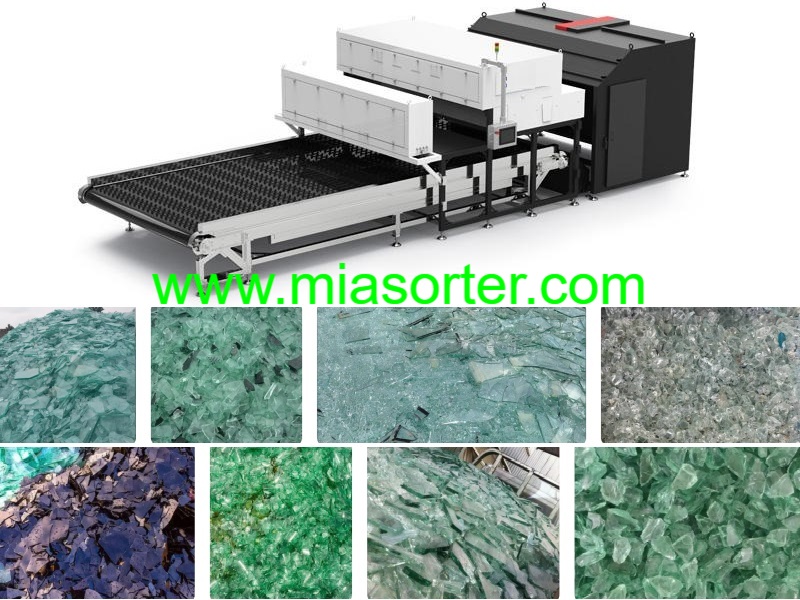
Hefei Best Waste Glass Color Sorting Machine Manufacturers
MIA, a leading brand in Hefei, China, provides high-quality waste glass color sorting machines that enhance recycling efficiency and product quality. Their advanced technology and versatile applications make them ideal for various industries, contributing to environmental sustainability.
Introduction
Hefei Best Waste Glass Color Sorting Machine Manufacturers: A Comprehensive Guide. In the drive towards sustainability, the efficient recycling of waste glass is paramount. Advanced color sorting technology is crucial for ensuring the quality and efficiency of glass recycling processes. Hefei is home to some of the best manufacturers of waste glass color sorting machines, with MIA leading the way. This article explores the features, benefits, and applications of MIA’s waste glass color sorting machines and provides answers to frequently asked questions.
Importance of Waste Glass Color Sorting Machines
Color sorting machines are essential in the glass recycling industry because they:
- Improve the quality of recycled glass by removing impurities and ensuring uniformity.
- Enhance the efficiency of recycling processes, reducing waste and operational costs.
- Support environmental sustainability by enabling the effective recycling of glass materials.
Machine Parameters
| Model | Output (T/h) | Sorting Accuracy (%) | Weight (Kg) | Whole Power (Kw) | Dimensions (LWH) m | Air Pressure (Mpa) | Air Consumption (L/min) | Voltage (V/Hz) |
|---|---|---|---|---|---|---|---|---|
| MBL1 | 0.4-1 | ≥99.99 | 550 | 1.5 | 2.5*1*16 | 0.6-0.8 | 200-600 | 220V/ 50/60Hz |
| MBL2 | 0.8-2 | ≥99.99 | 800 | 2.5 | 2.5*1.3*16 | 0.6-0.8 | 600-1200 | 220V/ 50/60Hz |
| MBL4 | 1.6-4 | ≥99.99 | 1400 | 4.5 | 3.2*2*15 | 0.6-0.8 | 1000-2400 | 220V/ 50/60Hz |
Key Features of MIA Waste Glass Color Sorting Machines
MIA’s waste glass color sorting machines are equipped with cutting-edge technology to deliver high performance and accuracy. Here are some of their key features:
1. Advanced Optical Sorting Technology
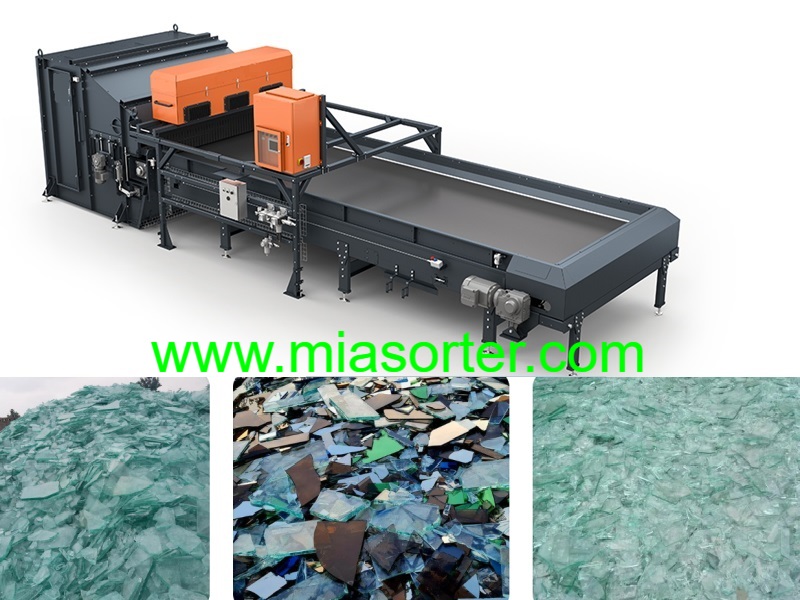
MIA’s machines utilize high-resolution cameras and optical sorting technology to detect even the smallest color variations in glass materials. This ensures precise and efficient sorting, resulting in high-quality recycled glass. The Glass Metal Color Sorter Machine showcases this advanced technology.
2. Artificial Intelligence Integration
Artificial Intelligence (AI) significantly enhances the sorting capabilities of MIA’s machines. AI algorithms analyze color data in real-time, making adjustments to optimize the sorting process. This leads to improved efficiency and accuracy, as demonstrated by the AI Color Sorter.
3. Robust Ejector System
MIA’s sorting machines are equipped with a robust ejector system that ensures the rapid and precise removal of unwanted glass fragments. This system can handle high volumes of material without compromising accuracy, making these machines ideal for industrial applications.
4. User-Friendly Interface
MIA’s sorting machines feature an intuitive user interface that simplifies operation. This allows operators with varying levels of technical expertise to set up and monitor the sorting process efficiently.
5. High Durability and Low Maintenance
MIA’s color sorter machines are designed for durability and require minimal maintenance. The high-quality components and sturdy construction ensure long-term reliability, reducing downtime and maintenance costs.
Applications of MIA Waste Glass Color Sorting Machines
MIA’s color sorter machines are versatile and suitable for various applications in the glass recycling industry:
1. Recycling Facilities
Recycling facilities benefit significantly from MIA’s sorting machines. These machines enhance the efficiency of the recycling process by accurately sorting glass materials, thereby improving the quality of the recycled product. The Waste Glass Color Sorting Machine is a prime example of MIA’s contribution to recycling technology.
2. Waste Management
Waste management companies use MIA’s sorting machines to segregate glass from other waste materials. This not only aids in efficient recycling but also reduces the amount of waste that ends up in landfills.
3. Manufacturing Industry
Manufacturing plants that use recycled glass in their production processes can leverage MIA’s sorting machines to ensure high-quality materials. This consistency in material quality is crucial for maintaining the standard of the end products.
Benefits of Using MIA Waste Glass Color Sorting Machines
Businesses using MIA’s waste glass color sorting machines enjoy numerous benefits, including:
1. Enhanced Efficiency
The precision and speed of MIA’s sorting machines significantly enhance operational efficiency, allowing businesses to process larger volumes of material in less time.
2. Superior Quality Output
MIA’s sorting machines ensure that the sorted glass materials are of high quality, which is essential for recycling and manufacturing processes. The advanced technology used in these machines guarantees the best quality materials are sorted.
3. Cost Savings
By improving efficiency and reducing waste, MIA’s sorting machines help businesses save costs. The machines’ durability and low maintenance requirements further contribute to long-term savings.
4. Environmental Sustainability
MIA’s waste glass color sorting machines promote environmental sustainability by facilitating efficient recycling and reducing waste. This aligns with global efforts to reduce the environmental footprint and conserve resources.
Pricing of MIA Waste Glass Color Sorting Machines
The price of MIA’s waste glass color sorting machines varies based on the specific model and features. Generally, the investment in these machines is justified by the significant improvements in efficiency and product quality they offer. Businesses can find detailed pricing information and contact MIA for quotes on their website.
FAQs about MIA Waste Glass Color Sorting Machines
1. What factors influence the price of a waste glass color sorting machine?
The price of a waste glass color sorting machine depends on factors such as the machine’s capacity, the level of technology integration (e.g., AI, optical sorting), and additional features. Customizations and specific industrial requirements can also affect the price.
2. How does MIA ensure the quality of its sorting machines?
MIA ensures the quality of its sorting machines through rigorous testing and quality control measures. They use high-quality components and advanced technology to ensure durability, efficiency, and precision in sorting.
3. What types of glass can MIA’s sorting machines handle?
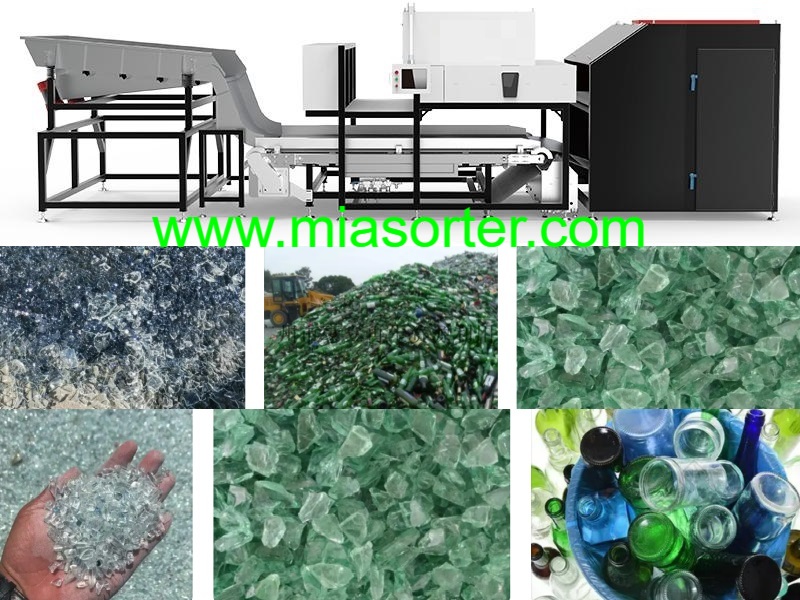
MIA’s sorting machines can handle various types of glass, including glass bottles, glass fragments, and other recyclable glass. The advanced imaging and AI technology enable these machines to sort different types of glass accurately.
4. Are MIA’s sorting machines suitable for small-scale operations?
Yes, MIA offers a range of sorting machines suitable for both large-scale and small-scale operations. The compact design and user-friendly interface make these machines ideal for businesses of all sizes.
5. How can I purchase a MIA waste glass color sorting machine?
You can purchase MIA’s sorting machines directly from their website, where you can also find detailed product information and contact their sales team for quotes and further assistance.
6. What industries benefit most from MIA waste glass color sorting machines?
Industries such as recycling, manufacturing, and waste management benefit significantly from MIA’s sorting machines due to their precision, efficiency, and versatility.
Conclusion
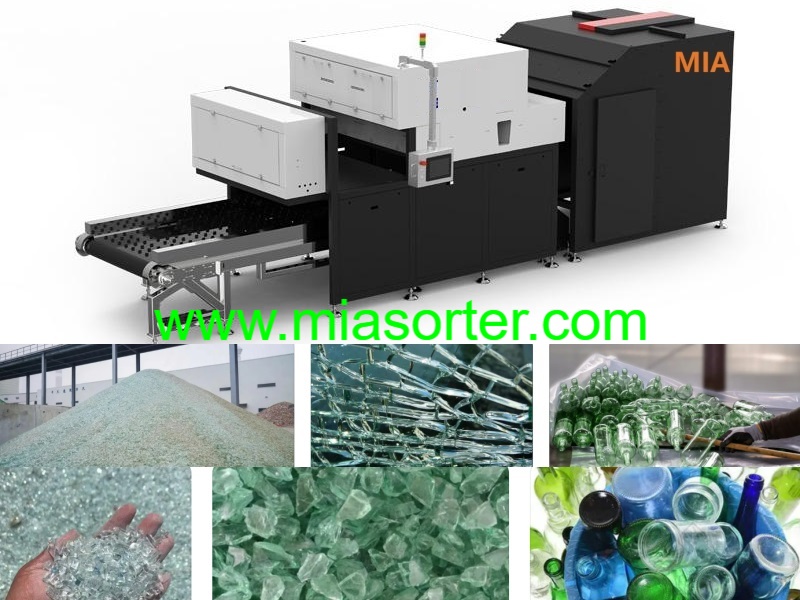
Hefei MIA stands out as a premier manufacturer and exporter of waste glass color sorting machines. Their commitment to innovation and excellence ensures that their machines deliver superior performance, making them a trusted partner for businesses looking to enhance their sorting processes. With a wide range of machines tailored to different applications, MIA ensures efficiency, quality, and sustainability.


